Tree Root Removal Woodberry
Tree root removal in Woodberry cuts established root masses out of ageing sewer and stormwater lines. A camera pass finds where the roots entered, a cutting head clears the growth, and a second camera check shows the finished pipe. You see a fixed figure ahead of any work.
Where this job sits. It runs under the wider blocked drains service, and it follows the same rule as every drain call plumber in Woodberry attends: film first, cut second. Roots are the one blockage where cutting blind causes damage, so the drain camera goes down before anything else does.
Licensed plumbers and gas fitters · NSW Lic. 359278C
Last updated September 2026
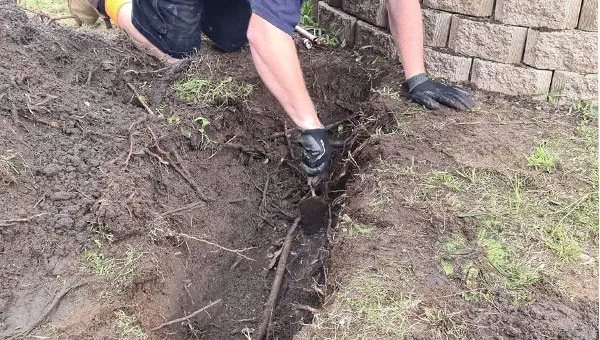
How Do Roots Get Into a Buried Pipe?
No pipe joint stays sealed forever. The older the line, the more openings it offers:
- Hairline cracks at earthenware joints, where the rubber or mortar ring has perished over decades
- Offset joints, where reactive clay ground has shifted the pipe sections apart
- The collar of an old inspection opening or a branch junction, which sits slightly proud of the pipe wall
A root hair is thinner than the crack it enters. Once inside, moisture and nutrients feed it, and a thread becomes a mat within a couple of seasons.
What Tells You the Blockage Is Roots?
The pattern differs from grease or a collapse, and these signs point that way:
- Gurgling from several fixtures at once, because the mat sits deep in the main line rather than at one sink
- A drain that runs slow for weeks, then blocks hard overnight
- Wet patches or extra-green growth above the sewer run in the yard
- A line that chokes up again soon after it was cleared
The camera settles it. Footage shows whether the line holds a root mat, a grease film or a collapsed section, and each of those is a different job.
How the Root Cut Runs
- 01
Film the line
The camera locates the root mass, measures how deep in the run it sits and shows what material the line is, so the cutting head is matched to the job rather than guessed.
- 02
Cut the mass out
The electric eel carries a root-cutting head sized for the pipe, and the cable feeds through the access point to the blockage. Earthenware gets a slower, gentler pass than PVC.
- 03
Flush and re-film
The jetter washes the cut roots and silt out of the line, then the camera runs the full length again. You see the finished pipe before we leave the site.
- 04
Talk about the gap
Cutting removes the growth but not the entry point. If the footage shows a cracked joint roots will re-enter, pipe relining seals it from the inside, and drain jetting keeps the line clean between checks.
What Moves the Figure on Root Removal?
The camera footage answers most of this before the quote is written:
- How far along the pipe the mass sits, since a cutting head feeding thirty metres takes longer than one at the first joint
- What the line is made from, because a brittle earthenware run needs the gentler pass
- How thick the mass is, since years of growth cut slower than a first-season mat
- Whether the entry point needs sealing afterwards, which is a relining job priced on its own footage
We provide up-front, honest quotes that will always match the final price, should you decide to go ahead.
Why Roots Thrive Under the Estate
Trees and pipes from the same years
Dry summers, wet years
"Woke up Friday to find my two kitchen sinks backed up. … Possibly tree roots from backyard neighbours." Anne
When We're Not the Right Call
A collapse where the pipe has folded in on itself is past cutting, and the footage sends that job to excavation rather than a root blade. Roots inside the street's sewer main are the water authority's to deal with, and the footage marks where your pipe joins theirs before anything is quoted.
Root Questions Before You Book
Why do the tree roots in Woodberry keep coming back after a clear?
Because the entry point stays open. Jetting takes the growth out but leaves the cracked joint open, and the mature gums over the estate streets reach moisture again within a season or two. The camera shows the gap, and pipe relining seals it closed.
Can you cut roots out of an earthenware sewer?
Yes. The blade on the electric eel is picked to suit the pipe's bore, and the camera films the line first so we know it is earthenware and work it gently rather than cracking a brittle old run.
How do I know the blockage is roots and not grease or a collapse?
The pattern gives it away. Roots block slowly then suddenly, with gurgling from multiple fixtures at once and sometimes a wet patch above the line. The camera confirms it either way before anyone quotes.
Do you do root removal on the rural blocks around Woodberry?
We do. Waste lines on the rural-residential side can run well out from the house, and the pipe locator traces the full length so the cutting head reaches the far end through the one access point.
Need a plumber? Call or send the form
Call (02) 4063 1232 or send the form below. Available 24/7, you see a fixed figure ahead of any work, and every job carries our 365-day warranty on all work.
Request a callback
Leave a name and number and a plumber will ring you back.